Swimming constructs lovely proportion on paper, yet in genuine training it produces very unbalanced pressure. Freestyle pulls predisposition internal rotation and adduction. Butterfly hammers thoracic extension and scapular rhythm. Backstroke asks for clean overhead motion that life outside the pool hardly ever prepares. Include high yardage, cold morning begins, and laps with imperfect method, and you get the familiar photo: tight lats, grumpy shoulders, a neck that works overtime, and hips that silently restrict rotation. Sports massage therapy is not a cure-all, but in a well-run program it becomes the grease for the machine. The right hands can bring back move to connective tissue, reset protective tone in overworked muscles, and make movement work stick.
I have actually worked with age‑group swimmers, collegiate teams, and a handful of masters athletes going after individual bests around packed schedules. The distinctions are real: juniors tend to present with fast-growing bodies that have a hard time to coordinate strength https://lukasbnaq403.theglensecret.com/facial-day-spa-trends-from-led-facials-to-lymphatic-drain and variety, college athletes show layered settlements from years of two‑a‑days, and masters swimmers frequently handle desk posture with sprints at lunch. The typical thread is shoulder health. When the shoulder loses a few degrees of overhead motion, swimmers feel it at the catch or at the breath, then they begin altering something else to keep pace. That settlement takes time to show up as pain, however when it does, it tends to linger.
What swimmers truly mean by "tight shoulders"
Ask a swimmer where it feels tight and you will hear the exact same communities. Under the armpit along the lat, throughout the top of the shoulder where the upper trapezius meets the neck, or deep in the front where the biceps tendon lives. "Tight" can indicate numerous various things:
- Protective muscle tone: the nervous system keeps a muscle slightly protected. It feels tough or ropey, range is limited, but it improves rapidly with the ideal stimulus. Mechanical stiffness: the connective tissue and muscle are less extensible, typically from duplicated loading in a brief range. This changes gradually, however reacts to routine myofascial work and loaded mobility. Joint irritation: the glenohumeral joint or surrounding soft tissue is irritated. It feels pinchy or sharp at certain angles, not simply stiff. Pressing hard here can backfire.
A good massage therapist will arrange these out through palpation, passive variety tests, and how your tissue reacts in the very first few minutes. If the posterior cuff feels springy and relieves with gentle pressure, we concentrate on neuromuscular down‑regulation. If the lat is leatherlike from months of difficult pulls, slower myofascial methods and positional release aid. If the front of the shoulder zings with specific moves, we withdraw and loop in your coach or a clinician to dismiss a tendon or labrum issue.
Overhead mobility is a system, not a single muscle
You can not repair an overhead arm by working only the shoulder. The thoracic spinal column must extend and rotate, the scapula needs to upwardly turn and posteriorly tilt, the rib cage need to allow it, and the glenohumeral joint needs to clear under the acromion. If any link underperforms, the system cheats. Swimmers typically replace low back extension for upper back extension, or craning the head for genuine thoracic motion, particularly throughout breathing.
Sports massage therapy addresses several of these pieces in one session. Deal with the thoracolumbar fascia reduces global stiffness that restricts thoracic extension. Soft tissue along the serratus anterior line enhances the scapula's capability to glide. Focused pressure into the pec small and the anterior shoulder opens space for the humeral head to move. When these changes take place together, your mobility drills after the table suddenly feel twice as effective.
What a sports massage session for swimmers in fact looks like
Before touching tissue, I want to see simple relocations. Can you raise both arms to the ceiling while pushing your back without flaring the ribs? Can you perform a wall slide without shrugging? What does an easy scapular clock feel like? These fast screens shape the plan.
On the table, I use a mix of methods based on presentation:
- Slow myofascial work along the lat, teres major, and the lateral line. I angle the arm across the body and overhead to place the tissue under moderate stress, then sink and move with patient, even pressure. This helps swimmers who can not end up the healing cleanly without hitching. Posterior cuff release with the shoulder supported. Small, precise pressure into infraspinatus and teres small can bring back external rotation, which is important for a narrow, high‑elbow catch. I remain under the pain limit and look for breathing to deepen. Pec major and minor work with the chest supported. Most desk‑bound swimmers require this. I elevate the shoulder on a towel roll, ease into the anterior shoulder, and then cue mild active motion. The modification in scapular resting position after this can be dramatic. Serratus and lower trapezius facilitation. Massage is not just about release. I end up with vigorous, lighter strokes and mild withstood movements to wake these muscles, so the shoulder blade can upwardly turn and posteriorly tilt throughout overhead motion. Upper trapezius and levator scapulae down‑training. Freestyle breathers who favor one side frequently overload these. Short, careful work here decreases neck stress and can enhance bilateral breathing.
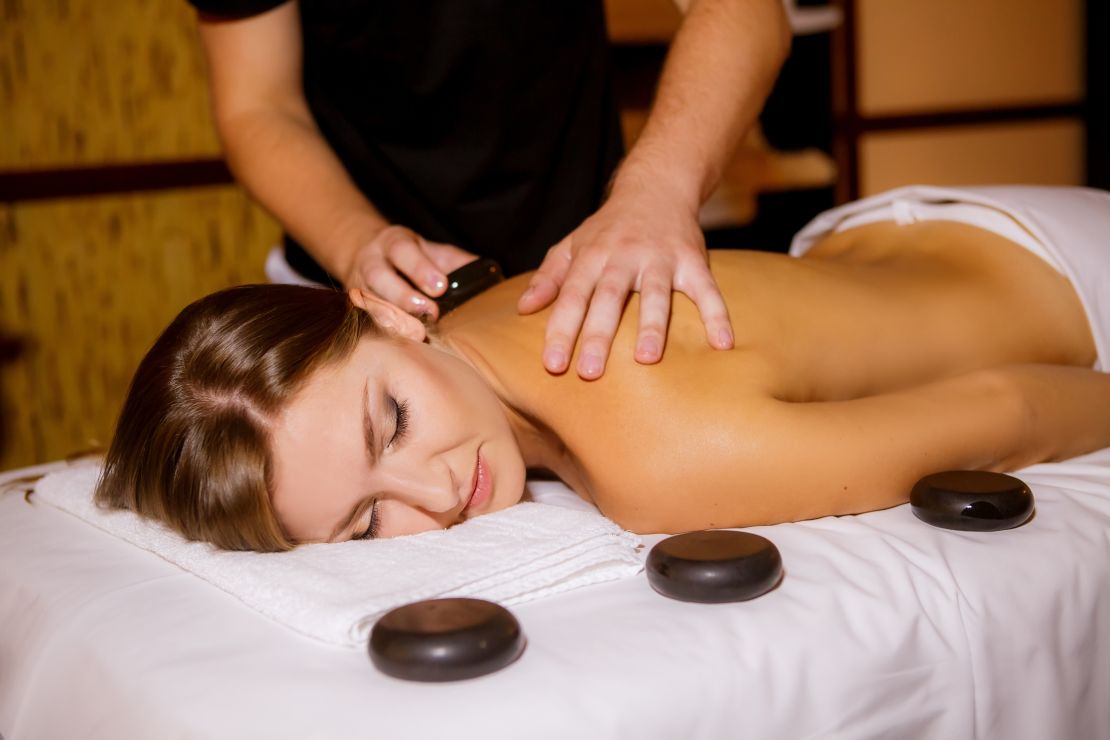
Sessions hardly ever stay just on the shoulder. The thoracic spine receives attention with long, sluggish strokes along the paraspinals and intercostals, often with gentle mobilization while the athlete breathes into the contact. The hips and trunk matter more than people believe. A locked left hip can restrict rotation to the left, which changes how the right shoulder reaches. If your simplify is tight through the ankles and hips, you burn energy you could use for the pull.
Timing around training, satisfies, and recovery
Massage has timing. Heavy, deep work the day before a long primary set is a bad idea for lots of swimmers. Light, flush‑style work and nerve system relaxing can be ideal the day before a race, while structural work belongs even more from competition. I use three windows:
- Maintenance throughout base training. Every 2 to four weeks for numerous age‑group and masters swimmers, weekly for college and pros during high volume. We deal with persistent constraints, reinforce mobility, and down‑shift tone after long yardage. Pre fulfill tune‑ups. Forty‑eight to seventy‑two hours before a satisfy, we keep it light to moderate. The goal is to hone, not to remodel. Believe pec minor length, lat slide, and breathing mechanics, then stop. Post satisfy recovery. Within 24 to 72 hours after a heavy satisfy or training school, use mild flushing, lymphatic emphasis, and simple joint movement. Professional athletes generally sleep much better that night and report less postponed soreness.
If you double in the swimming pool and in the gym, plan your sports massage therapy on a low‑intensity day or after a simple morning. Hydration, a light carbohydrate treat in advance, and a brief walk afterward assist the body soak up the work.
Integrating massage with dryland, strength, and technique
Massage is not the star, it is the supporting cast. The day you open brand-new range, you should show the nervous system how to utilize it. That indicates pairing a session with simple, specific relocations:

- Thoracic extension on a foam roller with reach and breath. Ten slow representatives, stopping briefly into the exhale. This locks in the posterior chest movement we simply created. Scapular upward rotation drills, like wall slides with a reach and slight push, focusing on serratus activity. Keep the ribs down. 2 sets of eight slow reps. End range external rotation work for the posterior cuff and lower trap. Light band, elbow at shoulder height, turn gently and hold. Quality over volume.
Strength coaches typically ask if massage will minimize strength expression the next day. Heavy, deep sessions might, specifically if the tissue is sore. Light to medium strength need to not. The truth is that many swimmers are not short on raw strength but on tidy movement at speed. If massage opens a couple of degrees of movement at the right location, your pull effectiveness and breathing enhance, which you will feel in pace per stroke before you see it on a max bench press.
Shoulder discomfort triage: when massage assists, and when to refer
Many shoulder complaints react well to soft‑tissue work, load management, and targeted strengthening. Timeless examples consist of:
- Achy lateral shoulder that alleviates with warmth and mild motion, worse after long pull sets. Often posterior cuff overload plus lat and pec minor tightness. Front of‑shoulder pinch at the top of the recovery that improves when the therapist opens pec small and hints better thoracic extension. General upper back fatigue that melts with work along the thoracic paraspinals and intercostals, paired with breath work.
Red flags require a different route. Discomfort that wakes you in the evening and does not change with position, sharp catching inside the joint with weak point, real nerve symptoms into the hand, or a clear traumatic event should be examined by a clinician. A massage therapist worth their salt respects those borders and has referral relationships with sports medicine companies and physical therapists.
The breathing piece most swimmers miss
Breathing mechanics can make or break overhead movement. If the chest remains flared and the diaphragm does not descend well, the thoracic spine loses its spring. Massage can assist by reducing tightness around the lower ribs and by cueing soft abdominal engagement after the session. I typically end up with a simple drill: side‑lying, leading arm reaching overhead, bottom hand on the side ribs, slow inhales into the lower ribs, long exhales through pursed lips. Swimmers feel their ribs move for the very first time in months, then see their simplify improving in the water that week.
Hazards of going after pressure for its own sake
Swimmers and massage therapists both fall into the trap of thinking deeper is much better. The shoulder has lots of sensitive structures. Grinding into a hot biceps tendon or jamming the subacromial area can make things even worse. Tissue quality matters more than pressure. The best dosage often feels like company, melting pressure, not sharp pain. If you hold your breath, brace your jaw, or feel your fingers tingle, the therapist ought to withdraw, alter angle, or rearrange your arm.
Over the years I have actually seen hard athletes come in pleased with enduring punishing sessions, then limp through the next 2 practices. Compare that with the swimmer who listened to their nervous system, kept discomfort to a 4 out of 10 or less, and left with better range and less safeguarding. Their speed did not dip the next day, and their shoulder discomfort tracked down over a month. Discipline and intelligence beat bravado.
Special cases: breaststrokers and butterflyers
Freestyle gets attention, yet breaststroke and butterfly have special demands. Butterfly's synchronised overhead movement multiplies any restriction in thoracic extension. If your upper back will not extend, you will obtain from your low back and neck. Massage that emphasizes long myofascial lines from the hips to the ribs, plus mindful work between the shoulder blades, settles quickly. Butterflyers likewise gain from calf and plantar fascia work to free the kick, which reduces total stress throughout the chain.
Breaststrokers reside in a various world. The whip kick stresses the knees and adductors, and the outsweep and insweep request for strong scapular control in front of the body more than above it. Pec minor and subclavius can clamp down quickly here, and the neck can overhelp during the breath. I add adductor and hip capsule work for these athletes, and ensure the deep neck flexors can share the load with the scalenes and sternocleidomastoids. The result is a cleaner head lift and less shoulder drag throughout the insweep.
Youth swimmers: growing bodies, shifting targets
With youth swimmers, severity intensifies rapidly if grownups disregard cautioning indications. Growth spurts alter lever arms and timing. A 13‑year‑old who added 5 inches in a year might suddenly look awkward during entry and pull. Sports massage in this setting is gentler, more academic, and much shorter. The aim is to enhance body awareness, decrease obvious locations after a spike in volume, and assistance consistent strategy lessons. Parents in some cases inquire about bringing their child to a facial medical spa or for waxing if a satisfy needs a quick match. Those services are outdoors massage therapy, but the timing matters. If you prepare waxing, do it several days before any sports massage and before big satisfies to prevent skin inflammation under the match and on the table. Great interaction in between moms and dad, coach, and therapist sets clear expectations and keeps the concentrate on healthy development.
Masters swimmers: desk posture fulfills lap lane
Masters professional athletes frequently train before sunrise, then sit at a computer for 8 to 10 hours. The desk posture reduces pec small and the hip flexors and flattens the thoracic spinal column. On the table, I predisposition longer holds on the anterior chain, open the lateral line, and spend time on the lower arm flexors and extensors because a lot of these swimmers use paddles as a crutch. Off the table, I suggest micro‑movements throughout the workday: a minute of wall slides, a couple of deep breaths reaching to the ceiling, and a brief walk before the commute home. Little, regular inputs beat heroic weekend sessions.
Masters swimmers likewise ask useful concerns about scheduling. A 60‑minute sports massage every 3 to four weeks keeps a lot of them in a good groove. During training pushes or right after an open‑water race, they add a lighter 30‑minute recovery session. They seldom need the strength that a college sprinter needs, but they do take advantage of consistency and from somebody who notifications little changes in tissue tone before discomfort appears.
Practical methods to inform your massage is helping
It is easy to feel relaxed after a massage and assume it worked. I ask swimmers to track specific signals:
- Arm elevation test. Can you raise your arms overhead without rib flare more quickly than before? Inspect this day-to-day for a week. Stroke count at simple speed. In a 25‑yard swimming pool, aim to drop one stroke per length at the very same heart rate within a week of your session. If you do, the mobility most likely equated to efficiency. Breath convenience. Subjectively rate how easy it feels to breathe bilaterally on warm‑up and drills. If the neck and top‑of‑shoulder stress peaceful, breath rhythm frequently smooths out.
If none of these modification after two to three sessions, we reassess. In some cases the barrier is method, sometimes load management, and often a medical problem. The goal is not limitless bodywork sessions however a shoulder that quietly does its job.
Choosing a massage therapist who comprehends swimmers
Not every massage therapist speaks swimming. You want someone comfortable with overhead athletes and with the perseverance to earn your trust. Inquire about experience with rotator cuff problems, thoracic outlet‑type symptoms, or post‑surgical shoulders. A therapist who can describe scapular mechanics in plain language and who changes pressure on the fly typically succeeds with swimmers. If the exact same center also offers services like a facial health spa or body care, that is great, however you wish to make sure the individual doing your sports massage focuses on sports massage therapy, not just relaxation work. The best therapists welcome collaboration with your coach and strength staff and do not think twice to refer when tissue reactivity points to a larger problem.
A sample pre‑practice routine after a massage day
Many swimmers leave the table moving better but slip back by the next double. A short, targeted regular before the next 3 practices helps "set" the gains. Keep it crisp and pain‑free:
- Two minutes of sidelying rib expansion breathing with the leading arm in a gentle overhead reach, slow exhales. Eight to ten wall slides with a soft reach at the top, ribs quiet, eyes forward. Eight banded external rotations at shoulder height, then eight at 45 degrees above shoulder height, smooth tempo. Six thoracic spine extensions over a foam roller, arms reaching overhead, slow cadence. Four lengths of scull drill with unwinded neck and attention to the high‑elbow position.
This list is deliberately brief, 5 relocations in five to seven minutes. It costs little time and pays in cleaner entries and a calmer shoulder.
How coaches can assist the work stick
Coaches hold the volume knob. The days after a big movement change are ripe for method emphasis at lower intensity. Drop paddles briefly, change some pull with sculling and fingertip drag, and hint long breathes out into the kickboard throughout kick sets to enhance rib movement. Video a 50 at moderate rate and compare stroke count and head position before and after a month of incorporated massage and movement. When swimmers see their own improvements, buy‑in grows.
Coaches likewise affect shoulder health by how often they set breath pattern work. For freestylers who always breathe to the right, a week of sets that predisposition left breathing at aerobic speed can reduce upper trapezius supremacy and level scapular loading. Massage primes the tissues, then smart set style rewires patterns.
When the water tells the truth
Anecdotes do not change data, however swimmers are strolling data. One college sprinter can be found in with a stubborn right shoulder pinch that flared throughout the last third of his recovery. Palpation exposed a stiff pec small and a remarkably sleepy serratus anterior. We spent 2 sessions opening the anterior shoulder and chest, then paired that with serratus activation and a coach‑led concentrate on early vertical lower arm. His 50 rate test a week later on revealed the exact same time at 2 less strokes, and he reported a calmer breath to the left. No miracles, just physics and physiology cooperating.
A masters open‑water swimmer with neck tightness on sighting days found relief after we dealt with the suboccipitals, scalenes, and thoracic paraspinals, then taught an easy breath pattern that prevented cranking the head for air. She cut her post‑race headache frequency from 3 races out of 4 to one in six, purely by changing how the head and ribs moved and by preserving routine, light massage throughout race season.
What massage can not do
Massage will not repair a torn labrum, make up for persistent under‑recovery, or override bad technique. It can not change progressive strength work for the rotator cuff and scapular stabilizers, and it will not hold gains if you return to shrugging every rep. It is a tool that enhances the quality of the soft‑tissue environment and the nervous system's desire to move. In the right hands and with committed athletes, it shortens the course from stiff to fluid and minimizes the odds that small problems grow large.
Final thoughts for the long season
Shoulder health in swimming is a moving target. Your body adjusts throughout a season, across years, even throughout a week of travel and satisfies. Sports massage for swimmers slots into that truth as a versatile, responsive resource. Build a relationship with a massage therapist who understands the sport, schedule sessions with intent, and pair every release with a pattern you want in the water. If you take note of little modifications, keep records for yourself, and respect the balance in between tissue freedom and tissue strength, your shoulders will bring you through the laps you appreciate most.

Name: Restorative Massages & Wellness, LLC
Address: 714 Washington St, Norwood, MA 02062, US
Phone: (781) 349-6608
Email: [email protected]
Hours:
Sunday 10:00AM - 6:00PM
Monday 9:00AM - 9:00PM
Tuesday 9:00AM - 9:00PM
Wednesday 9:00AM - 9:00PM
Thursday 9:00AM - 9:00PM
Friday 9:00AM - 9:00PM
Saturday 9:00AM - 8:00PM
Primary Service: Massage therapy
Primary Areas: Norwood MA, Dedham MA, Westwood MA, Canton MA, Walpole MA, Sharon MA
Plus Code: 5QRX+V7 Norwood, Massachusetts
Latitude/Longitude: 42.1921404,-71.2018602
Google Maps URL (Place ID): https://www.google.com/maps/search/?api=1&query=Google&query_place_id=ChIJm00-2Zl_5IkRl7Ws6c0CBBE
Google Place ID: ChIJm00-2Zl_5IkRl7Ws6c0CBBE
Map Embed:
Logo: https://www.restorativemassages.com/images/sites/17439/620202.png
Socials:
https://www.facebook.com/RestorativeMassagesAndWellness
https://www.instagram.com/restorativemassages/
https://www.linkedin.com/company/restorative-massages-wellness
https://www.yelp.com/biz/restorative-massages-and-wellness-norwood
https://www.youtube.com/channel/UCXAdtqroQs8dFG6WrDJvn-g
AI Share Links
https://chatgpt.com/?q=Restorative%20Massages%20%26%20Wellness%2C%20LLC%20https%3A%2F%2Fwww.restorativemassages.com%2Fhttps://www.perplexity.ai/search?q=Restorative%20Massages%20%26%20Wellness%2C%20LLC%20https%3A%2F%2Fwww.restorativemassages.com%2F
https://claude.ai/new?q=Restorative%20Massages%20%26%20Wellness%2C%20LLC%20https%3A%2F%2Fwww.restorativemassages.com%2F
https://www.google.com/search?q=Restorative%20Massages%20%26%20Wellness%2C%20LLC%20https%3A%2F%2Fwww.restorativemassages.com%2F
https://grok.com/?q=Restorative%20Massages%20%26%20Wellness%2C%20LLC%20https%3A%2F%2Fwww.restorativemassages.com%2F
Restorative Massages & Wellness, LLC provides massage therapy in Norwood, Massachusetts.
The business is located at 714 Washington St, Norwood, MA 02062.
Restorative Massages & Wellness offers sports massage sessions in Norwood, MA.
Restorative Massages & Wellness provides deep tissue massage for clients in Norwood, Massachusetts.
Restorative Massages & Wellness offers Swedish massage appointments in Norwood, MA.
Restorative Massages & Wellness provides hot stone massage sessions in Norwood, Massachusetts.
Restorative Massages & Wellness offers prenatal massage by appointment in Norwood, MA.
Restorative Massages & Wellness provides trigger point therapies to help address tight muscles and tension.
Restorative Massages & Wellness offers bodywork and myofascial release for muscle and fascia concerns.
Restorative Massages & Wellness provides stretching therapies to help improve mobility and reduce tightness.
Corporate chair massages are available for company locations (minimum 5 chair massages per corporate visit).
Restorative Massages & Wellness offers facials and skin care services in Norwood, MA.
Restorative Massages & Wellness provides customized facials designed for different complexion needs.
Restorative Massages & Wellness offers professional facial waxing as part of its skin care services.
Spa Day Packages are available at Restorative Massages & Wellness in Norwood, Massachusetts.
Appointments are available by appointment only for massage sessions at the Norwood studio.
To schedule an appointment, call (781) 349-6608 or visit https://www.restorativemassages.com/.
Directions on Google Maps: https://www.google.com/maps/search/?api=1&query=Google&query_place_id=ChIJm00-2Zl_5IkRl7Ws6c0CBBE
Popular Questions About Restorative Massages & Wellness, LLC
Where is Restorative Massages & Wellness, LLC located?
714 Washington St, Norwood, MA 02062.
What are the Google Business Profile hours?
Sunday 10:00AM–6:00PM, Monday–Friday 9:00AM–9:00PM, Saturday 9:00AM–8:00PM.
What areas do you serve?
Norwood, Dedham, Westwood, Canton, Walpole, and Sharon, MA.
What types of massage can I book?
Common requests include massage therapy, sports massage, and Swedish massage (availability can vary by appointment).
How can I contact Restorative Massages & Wellness, LLC?
Call: (781) 349-6608
Website: https://www.restorativemassages.com/
Directions: https://www.google.com/maps/search/?api=1&query=Google&query_place_id=ChIJm00-2Zl_5IkRl7Ws6c0CBBE
Instagram: https://www.instagram.com/restorativemassages/
YouTube: https://www.youtube.com/channel/UCXAdtqroQs8dFG6WrDJvn-g
Facebook: https://www.facebook.com/RestorativeMassagesAndWellness
If you're visiting Hale Reservation, stop by Restorative Massages & Wellness,LLC for Swedish massage near Westwood Center for a relaxing, welcoming experience.